Kitchen remodeler
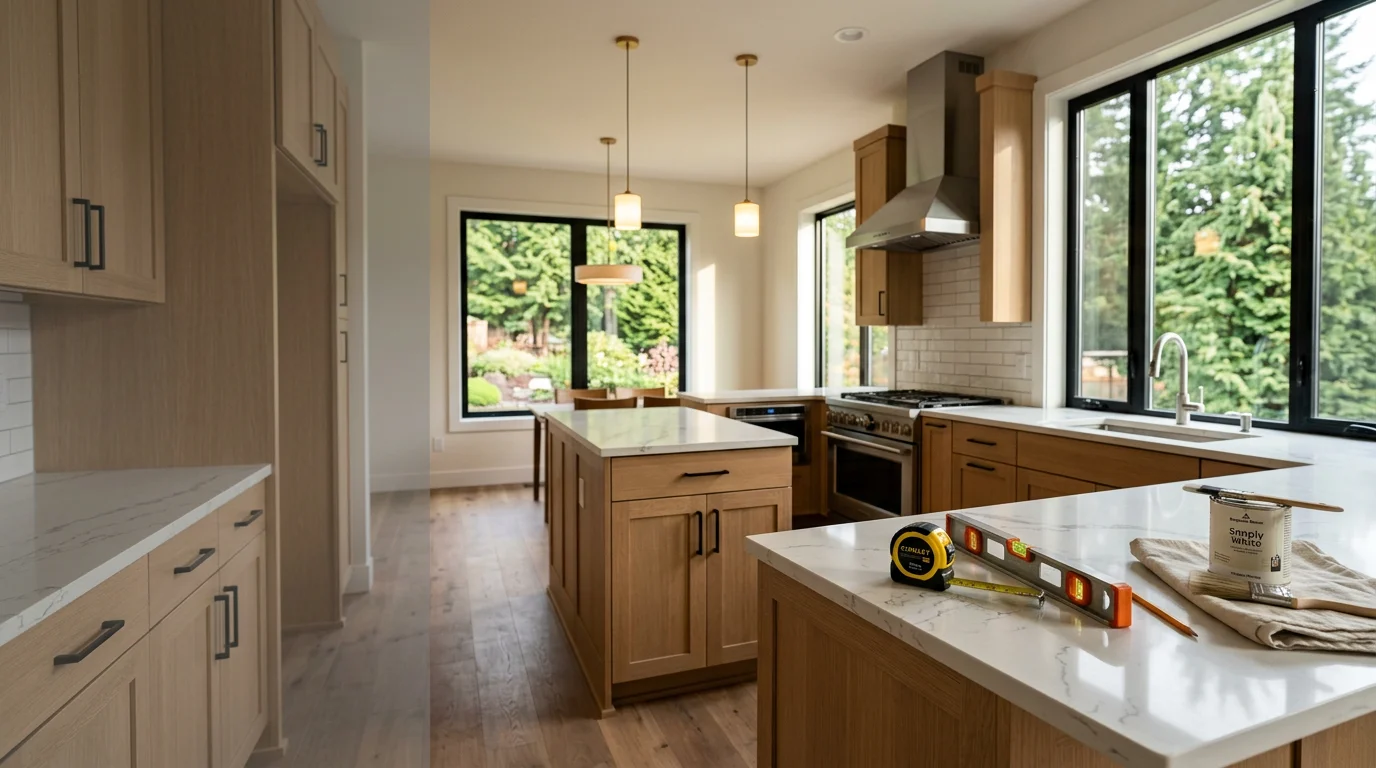
Full kitchen remodeling and renovation services for homes across the Seattle area.
- Kitchen Remodeling
- Kitchen Countertop Installation
- Cabinet Installation
- Kitchen Backsplash Installation
- Kitchen Island Installation
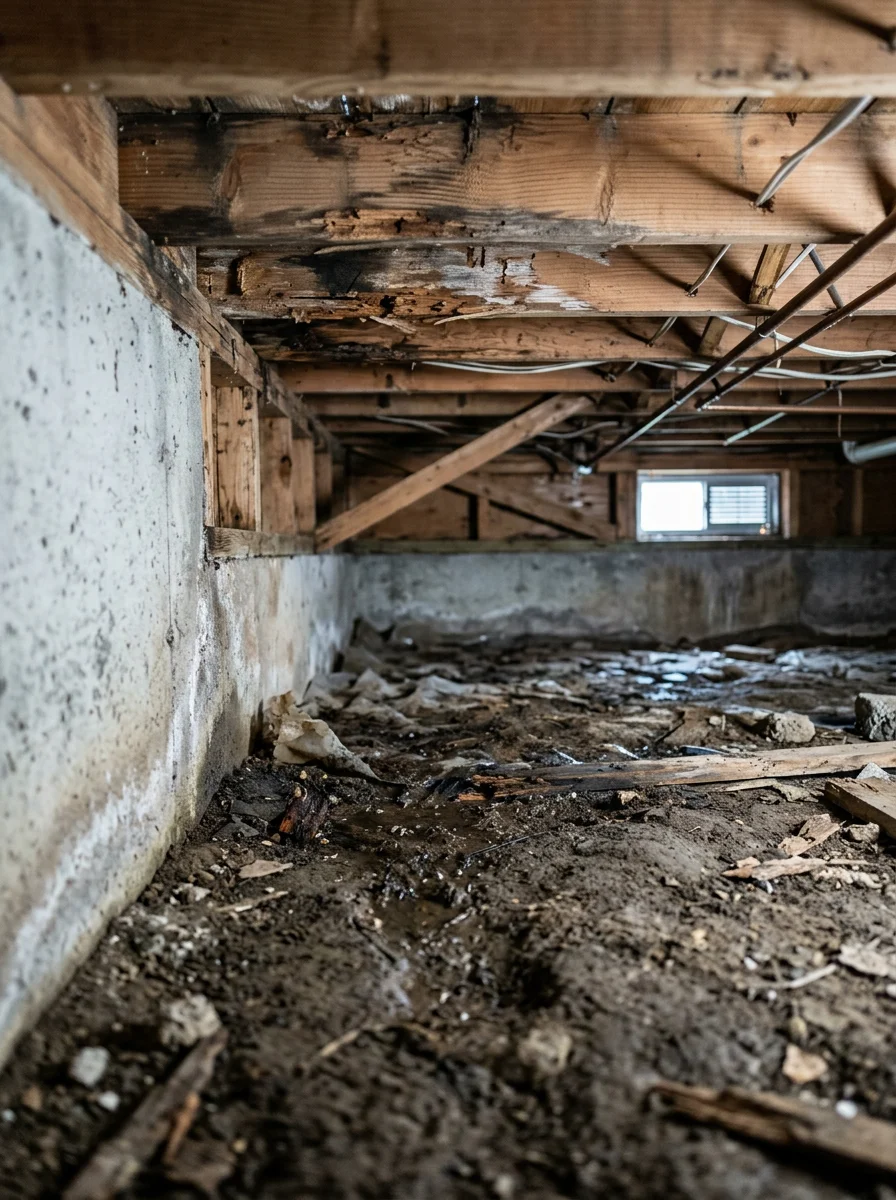
Auburn's housing stock is dominated by ranch-style homes, split-levels, and builder-grade tract homes built between the 1960s and the 1990s, with the median construction year around 1991. Neighborhoods like Lea Hill, Lakeland Hills, North Auburn, and West Hill each have distinct housing ages and conditions, but the common thread is that a large share of the city's homes are now entering the 25 to 40 year major renovation window. Auburn's Pacific Northwest climate brings 34 to 43 inches of annual rainfall and high winter humidity, which creates chronic moisture management challenges across the housing stock. Crawl space moisture, moss-damaged roofs, and siding deterioration are common patterns in homes across the city.
Auburn, WA
WA Service Area
Communities we serve
Auburn, WA
Kitchen Remodeler
Ranch homes and split-levels in North Auburn and West Hill were built with roofing and siding systems that were standard for their era but were not designed for decades of Pacific Northwest moisture exposure. Original three-tab shingles on these homes have lost most of their granule coating, which is the layer that protects the asphalt mat from UV and moisture. Once granules are gone, shingles crack and curl, and water reaches the decking within one or two wet seasons.
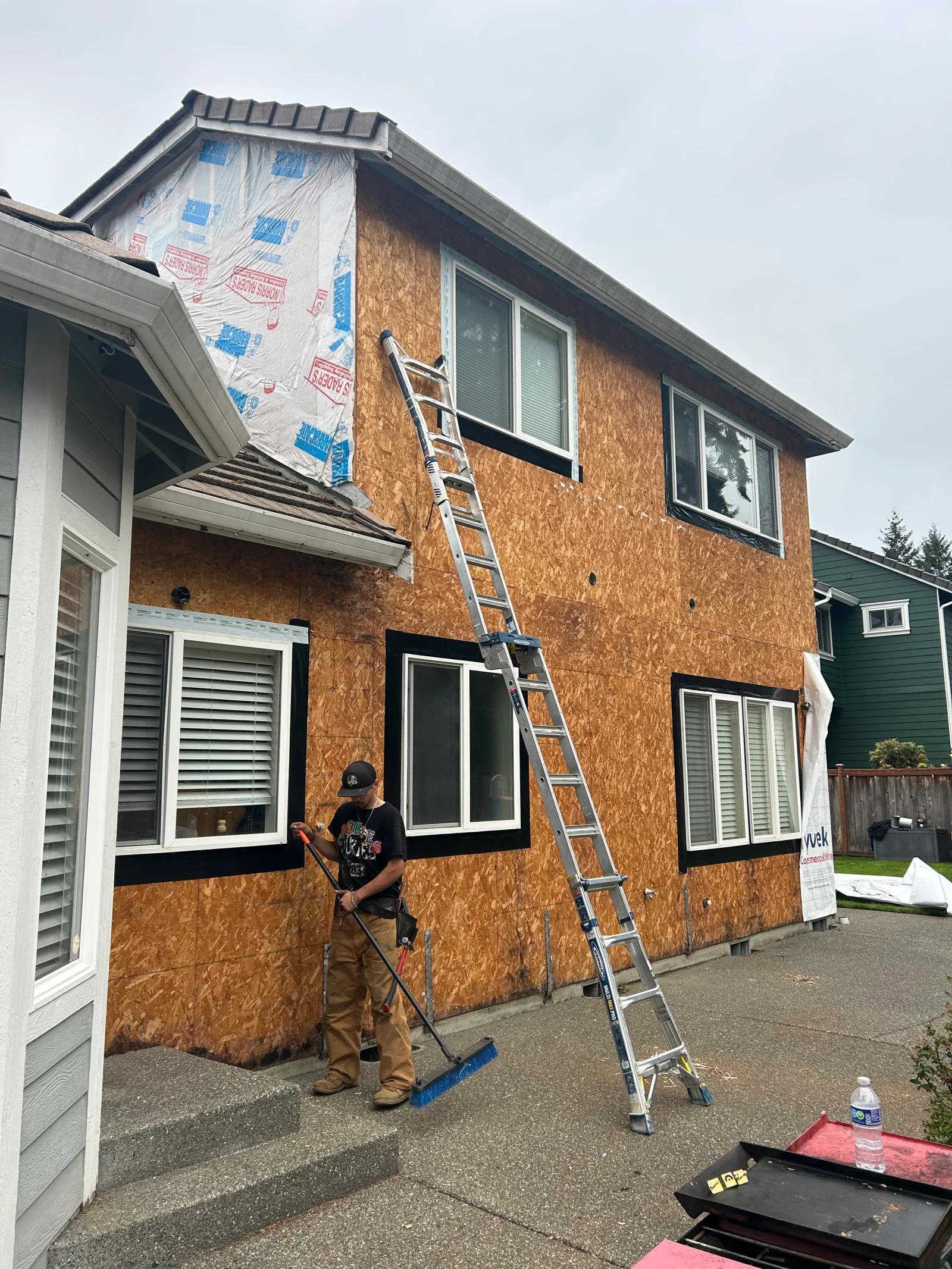
Siding on Auburn's 1980s tract homes presents a specific challenge. Hardboard and early engineered wood siding products from that era were installed with minimal clearance from grade and without the drainage gap behind the panel that modern siding systems require. Water gets behind the panels at the bottom course and wicks upward, causing the siding to swell, delaminate, and eventually allow moisture to reach the wall sheathing. Replacement with fiber cement siding installed over a proper weather barrier solves this problem permanently.
Lakeland Hills and Lea Hill have a younger housing stock than the valley floor neighborhoods, but homes built in the late 1990s and early 2000s in these areas are now at the age where bathroom tile grout fails and kitchen finishes show their age. Bathroom renovation in these homes frequently uncovers moisture damage behind shower tile that was set over drywall rather than cement board. We assess the substrate before any tile work begins so the renovation is built on a sound, dry base.
At a glance
Roofing replacement is the most urgent service need across Auburn's older housing stock, where original asphalt shingles on ranch homes and split-levels have exceeded their rated lifespan and moss growth is accelerating shingle failure. Siding replacement follows closely, as the engineered wood and hardboard siding common on 1980s and 1990s Auburn homes absorbs moisture and deteriorates at seams and around window penetrations. Waterproofing is in demand in crawl space homes across Lea Hill and North Auburn, where high annual rainfall keeps soil moisture elevated and allows humidity to build up under the floor framing.
Full kitchen remodeling and renovation services for homes across the Seattle area.
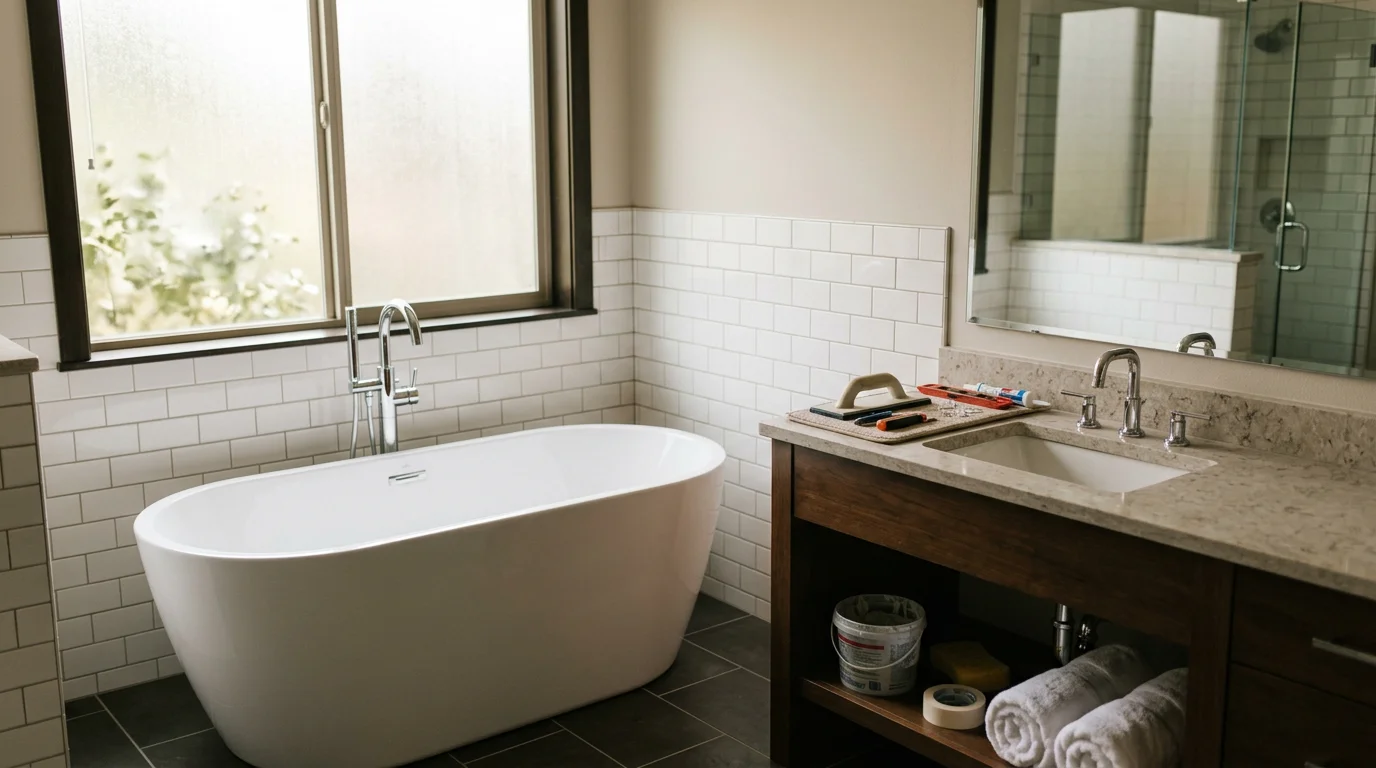
Bathroom remodeling and renovation services for homes throughout the greater Seattle region.
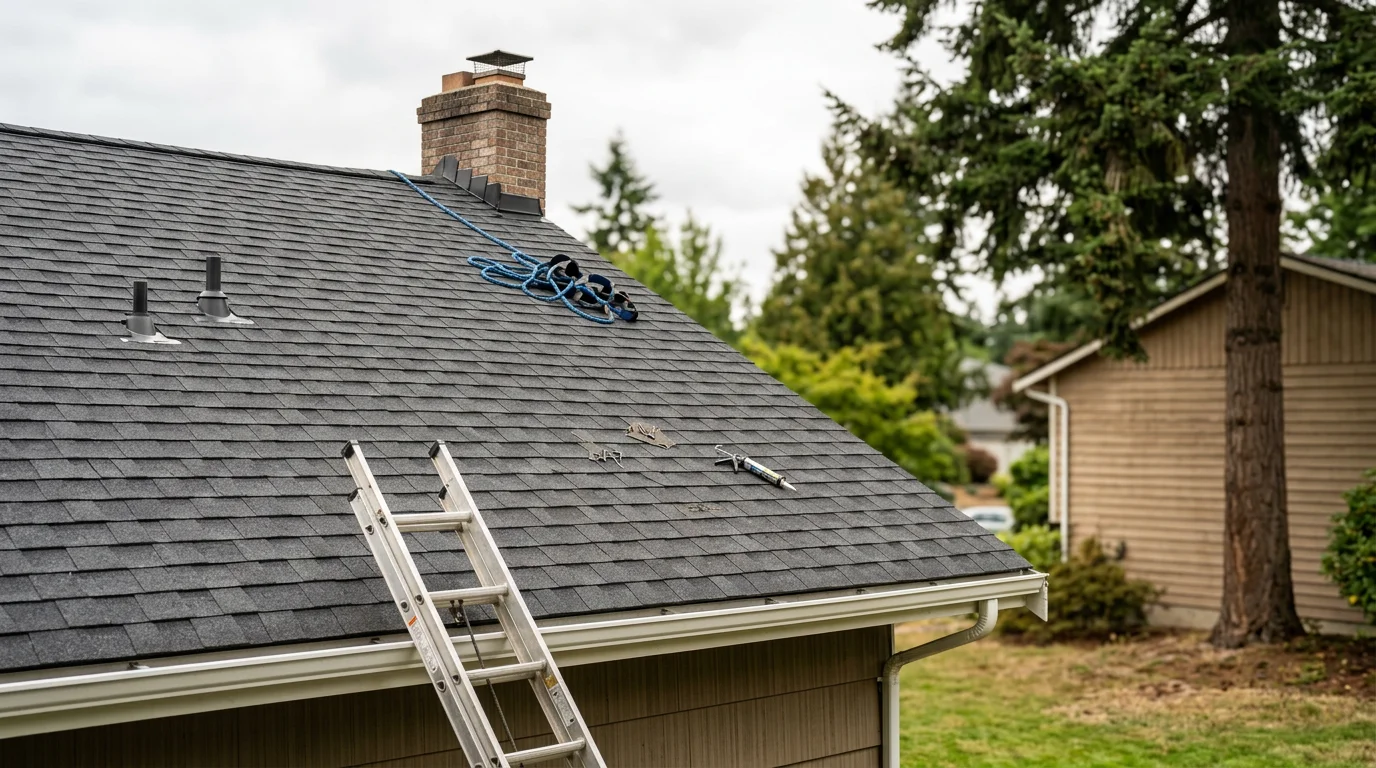
Roofing, siding, and deck services for residential and commercial properties.
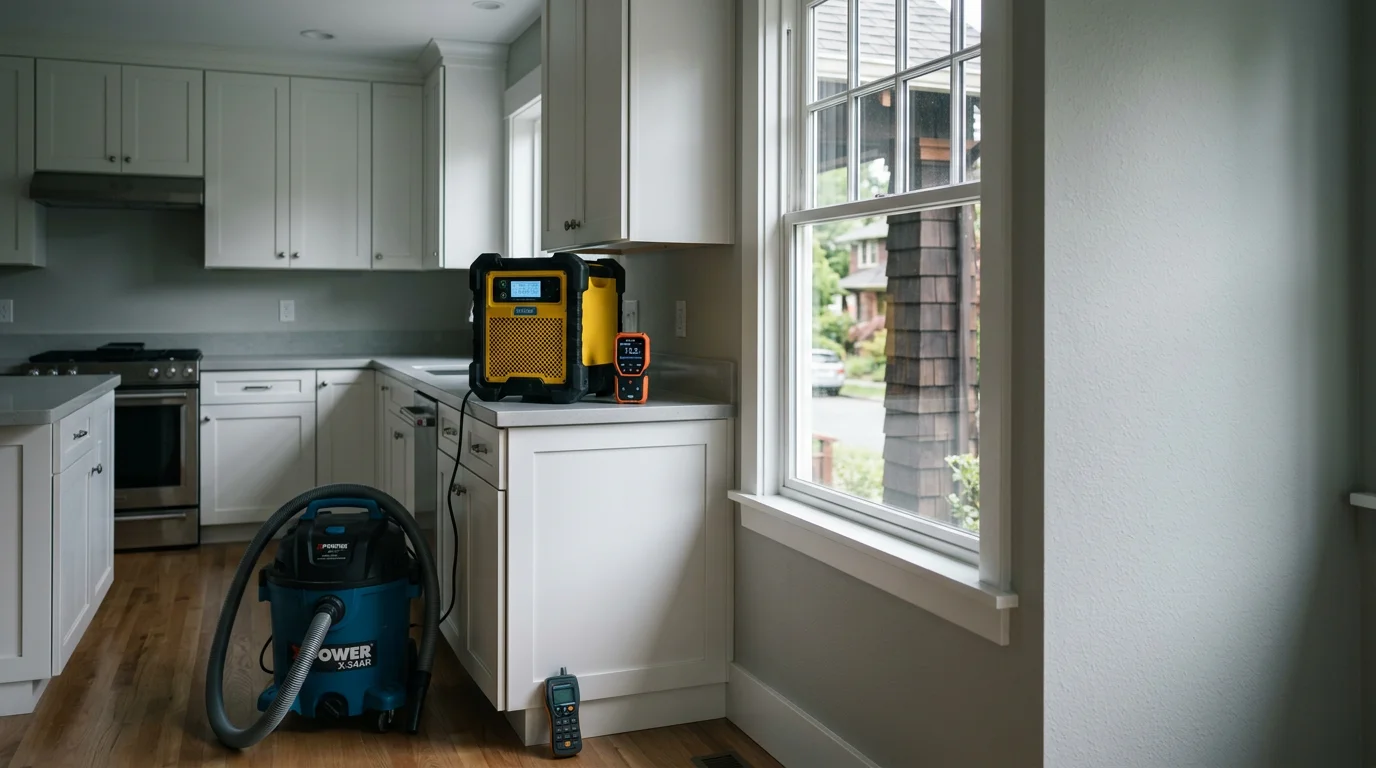
Water damage restoration, waterproofing, and related services for homes and businesses.
Reviews are temporarily unavailable. Please check back soon.
Worked with us?
Leave a Review Roofing contractor
 Roofing contractor
 Water damage restoration service
Serving Auburn, WA
Our crew knows Auburn, WA. We will show up on time, assess the job honestly, and give you a clear written number before asking you to decide anything.
Also serving across the Seattle metropolitan area:
Common questions from Auburn, WA customers about our services, process, and coverage.
Auburn receives 34 to 43 inches of rain annually, and the wet season runs from October through April with limited drying time between storms. This sustained moisture exposure keeps roofing and siding materials damp for extended periods, which accelerates moss growth on roofs and moisture intrusion behind siding panels. In drier climates, these materials dry out between rain events, which slows deterioration significantly.
Look for swelling or bubbling at the bottom of siding panels, paint that peels in large sheets rather than flaking, and soft spots when you press on the panel surface. These are signs that moisture has penetrated the hardboard and the material is deteriorating from the inside out. Once hardboard reaches this stage, painting over it does not stop the moisture damage from continuing.
Yes. High soil moisture in Auburn's climate means crawl spaces can have elevated humidity and damp soil without visible standing water. That humidity condenses on floor joists and subfloor sheathing, which leads to mold growth and wood rot over time. A heavy-duty vapor barrier and proper ventilation address the moisture before it reaches the framing.
Lakeland Hills homes are generally newer, built in the late 1990s and early 2000s, so roofing needs there tend to be first-cycle replacements of original architectural shingles. North Auburn homes are older, often from the 1970s and 1980s, and may have had one previous roof replacement already. Older homes also have more accumulated flashing failures at chimneys, skylights, and roof-to-wall transitions that need to be corrected during replacement.
Yes. In Auburn homes where a roof leak or siding failure has allowed water to reach the kitchen or bathroom, we restore the damaged area first and then complete the renovation. Doing both scopes together means the finished renovation is installed over a dry, repaired substrate rather than over hidden moisture that will cause the new finishes to fail.
Call us directly. Real answers, no scripts.
Stop by, call, or book online — we're always nearby when you need us.
Phone
(206) 793-5174Hours